Keeping cafeterias clean is super important for food safety and following health regulations. To start, gather cleaning supplies and make sure staff wear their protective gear. It’s smart to put up “Cleaning in Progress” signs to keep everyone safe. After meals, wipe down tables, chairs, and all high-touch spots regularly. Floors need mopping to clear away crumbs too. In kitchen areas, surfaces must be sanitized well to prevent any nasty bacteria from getting into the food. Regular checks on equipment are necessary to ensure everything functions properly. Following these routines helps create a hygienic space that customers can trust while also reducing costs in the long run.
Table of Contents
- Cleaning the Dining Area
- Food Serving & Display Areas
- Kitchen & Food Prep Areas
- Restocking & Maintenance
- Final Walkthrough & Inspection
- Benefits of a Cleaning Checklist
- Ahlers Cleaning Services Overview
- Frequently Asked Questions
2. Cleaning the Dining Area
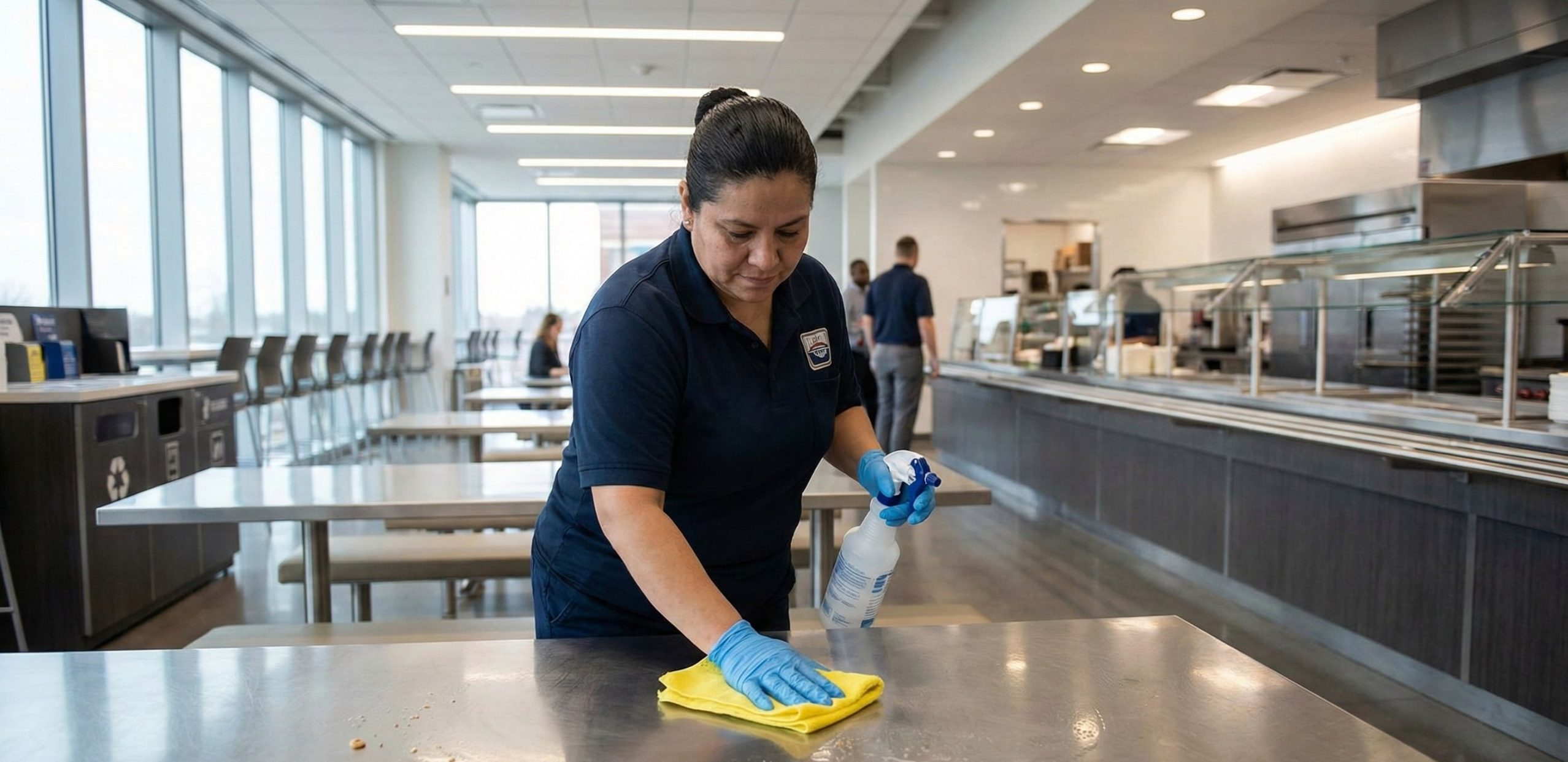
Keeping the dining area clean is key to maintaining food safety. After each meal service, wipe down and disinfect all tables, chairs, and high-touch surfaces like door handles and light switches. This helps to eliminate germs that can spread easily. Floors should be swept and mopped using a disinfectant solution to effectively remove crumbs and debris, creating a cleaner environment for customers.
Condiment stations, trays, and wall-mounted fixtures need regular sanitization to prevent cross-contamination, which can lead to foodborne illnesses. Checking and refilling soap and sanitizer dispensers after every service is essential to promote hand hygiene among customers and staff, ensuring everyone is taking the right steps to stay safe.
Don’t forget about the ambiance; clean windows and light fixtures to enhance visibility and overall dining experience. After each meal, ensure that seating arrangements are tidy and well-organized, which not only improves customer experience but also makes cleaning more efficient.
Regularly conduct checks to identify any wear and tear on furniture or fixtures, addressing these issues promptly to maintain a welcoming environment. If needed, rotate table placements to allow for thorough cleaning underneath and around furniture. Color-coded cleaning cloths can be used to prevent cross-contamination between different areas, ensuring that each space is cleaned appropriately. Finally, maintaining a checklist for dining area tasks is a smart way to ensure all areas are attended to, leaving no corner neglected.
3. Food Serving & Display Areas
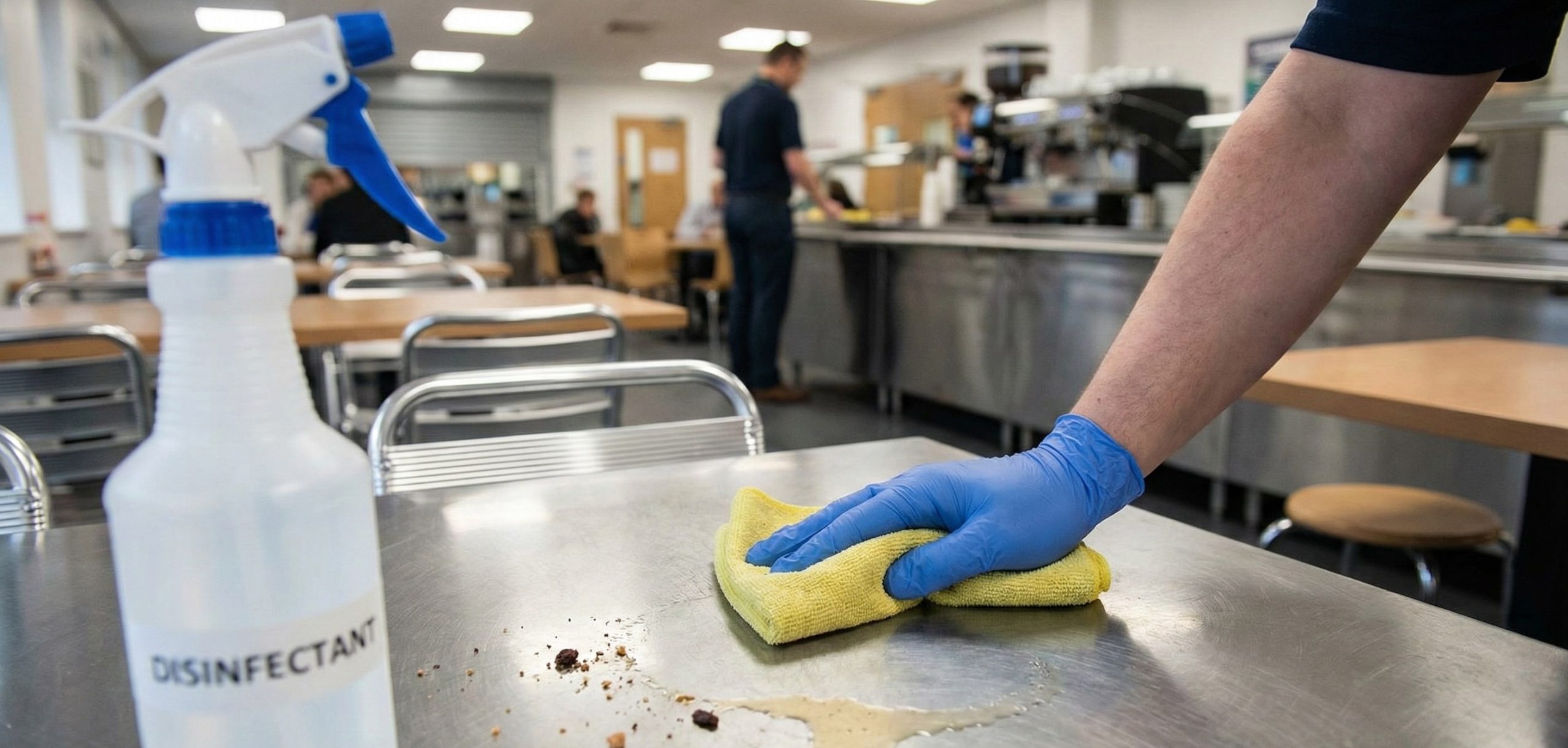
Keeping food serving and display areas clean is crucial for maintaining food safety. Start by thoroughly cleaning and disinfecting food counters, sneeze guards, and serving trays to minimize the risk of contamination. Regular inspections and sanitization of hot and cold food display units are essential to ensure that food is stored safely. Beverage dispensers and their handles also require thorough cleaning to prevent bacteria transfer, as these are high-touch areas.
Additionally, it is important to ensure that napkins, straws, and utensils are not only restocked but also arranged neatly for customer convenience. Regular checks of temperature gauges on food displays help confirm that food is being kept at safe temperatures. Labeling all food items and displays with dates is a good practice to ensure freshness and to help prevent waste.
Aesthetics matter too; keeping food displays visually appealing can enhance the overall dining experience. Any expired or spoiled food items should be removed immediately to maintain food quality. Always use cleaning agents that are safe for food contact surfaces, and make sure that staff are trained on specific cleaning procedures to uphold safety standards.
- Clean and disinfect food counters, sneeze guards, and serving trays to prevent contamination.
- Inspect and sanitize hot and cold food display units regularly to ensure food safety.
- Clean beverage dispensers and handles thoroughly to prevent bacteria transfer.
- Ensure napkins, straws, and utensils are restocked and neatly arranged for customer convenience.
- Regularly check temperature gauges on food displays to ensure food is stored at safe temperatures.
- Label all food items and displays with dates to ensure freshness and prevent waste.
- Keep check on food display aesthetics to make the area inviting and appealing to customers.
- Remove any expired or spoiled food items immediately to maintain food quality.
- Use appropriate cleaning agents that are safe for food contact surfaces.
- Train staff on proper cleaning procedures specific to food service areas to ensure adherence to safety standards.
4. Kitchen & Food Prep Areas
Sanitizing is key in kitchen and food prep areas to prevent cross-contamination. Start by thoroughly cleaning cutting boards, prep tables, and countertops. After each use, wash and disinfect cooking utensils, cookware, and food storage containers to eliminate any lingering bacteria. It’s also important to regularly empty and clean grease traps to avoid buildup, which can affect both safety and equipment efficiency.
Keeping the floors clean is crucial as well. Sweep and mop the kitchen floors daily, paying special attention to corners and areas under equipment where debris often collects. Regular inspections of refrigeration and storage units are necessary to check for spills and expired food items that may pose health risks.
An organized food storage area helps facilitate easy access while minimizing cross-contamination risks. Clear labeling of all food items is essential for proper rotation and to reduce waste. Additionally, routinely check all appliances for cleanliness and functionality to ensure they are operating correctly.
Training kitchen staff on proper cleaning and sanitizing techniques is vital to uphold food safety standards. Lastly, implementing a schedule for deep cleaning tasks ensures that all kitchen areas receive the thorough attention they need to maintain a safe food preparation environment.
5. Restocking & Maintenance
Restocking and maintenance tasks are crucial in maintaining a smooth operation in a cafeteria. Regularly refill napkins, condiments, and disposable utensils to ensure that customers have what they need during service. It is also essential to empty, clean, and sanitize trash bins frequently to keep the environment clean and free from odors. Inspecting and cleaning light fixtures, vents, and fans helps reduce dust and allergens, contributing to a healthier space.
Address any maintenance issues, such as broken fixtures or faulty equipment, promptly to avoid service disruptions. Keeping an inventory log of cleaning and maintenance supplies is important to ensure you always have adequate stock levels available. Schedule regular inspections of equipment to identify potential issues before they escalate into major problems. Training staff to recognize and report maintenance needs is key for quick resolutions.
A well-maintained checklist for restocking tasks can help ensure that all necessary items are replenished as needed. Additionally, ensure that all cleaning supplies are stored safely and labeled correctly to prevent any misuse. Finally, reviewing cleaning and maintenance performance regularly will help improve efficiency and effectiveness in your cleaning routines.
6. Final Walkthrough & Inspection
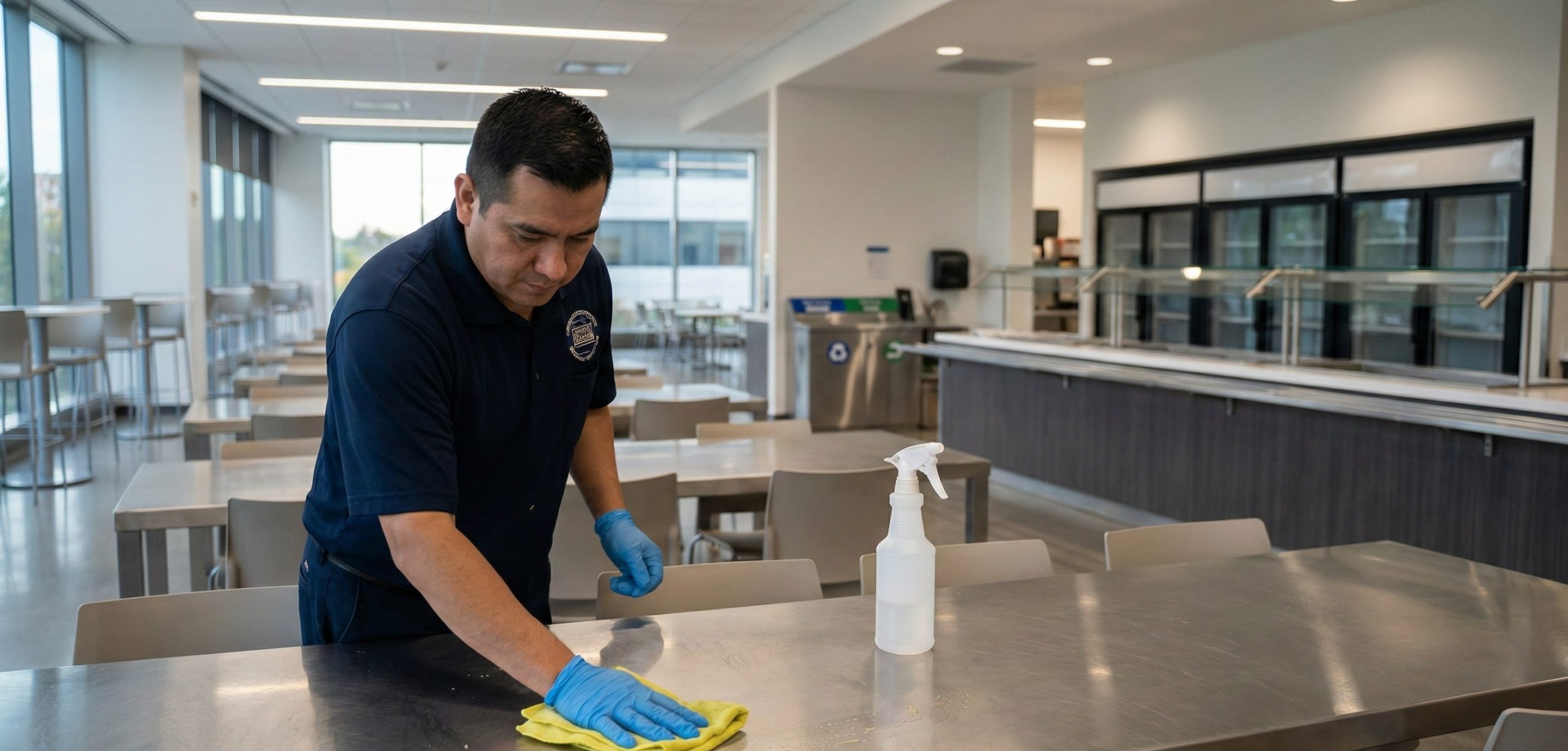
After completing the cleaning tasks, it’s crucial to perform a final walkthrough of the cafeteria. During this sweep, look for any missed spots, as attention to detail is key in maintaining cleanliness. This is also the time to check for any lingering odors, which can be addressed through proper ventilation or air fresheners to ensure a pleasant environment. Make sure to log all completed tasks and report any unresolved issues to management for prompt follow-up.
Return all cleaning equipment to its designated storage location after use, promoting organization and readiness for the next cleaning session. Conduct a brief inspection of food safety compliance, ensuring that all regulations are met, which is vital for maintaining health standards.
Take a moment to review the day’s cleaning tasks with your team, discussing any challenges encountered. This collaborative reflection can highlight areas for improvement and help in planning for future cleaning routines. Keep an eye out for any additional cleaning needs that may have arisen throughout the day. Confirm that all areas are ready for the next service period, enhancing efficiency and ensuring smooth operations.
Lastly, evaluate the effectiveness of your cleaning procedures and be open to adjustments as necessary for continuous improvement. Maintaining open communication with staff will allow you to gather valuable feedback on the cleaning processes, ultimately leading to a better and safer environment for all.
7. Benefits of a Cleaning Checklist
A cleaning checklist offers numerous advantages that significantly enhance food safety in cafeterias. First, it helps facilities comply with food safety regulations, which can prevent costly fines or even shutdowns due to non-compliance. Regular cleaning practices outlined in a checklist are essential for preventing bacteria buildup and reducing the risk of foodborne illnesses. Furthermore, an organized cleaning routine improves workplace efficiency, creating a productive environment where staff can focus on their tasks without unnecessary distractions.
Additionally, maintaining cleanliness fosters customer trust and satisfaction. When customers see a clean dining and food preparation area, they are more likely to feel safe and satisfied with their experience. A cleaning checklist also aids in preventing long-term damage to equipment and surfaces, thus lowering maintenance costs in the long run.
Moreover, it provides a clear outline of cleaning responsibilities, promoting accountability among staff members. New employees can benefit from having a practical guide for cleaning protocols, which facilitates their training. Tracking cleaning performance through a checklist allows for identifying trends and areas that may need improvement, ultimately supporting a culture of cleanliness and safety within the establishment. Lastly, when staff take pride in their work environment, it creates a positive workplace culture that is beneficial for everyone.
8. Ahlers Cleaning Services Overview
Ahlers Cleaning Services is dedicated to providing top-notch cleaning solutions with a strong commitment to cleanliness and safety. They specialize in cleaning cafeterias and food service establishments, ensuring that food safety standards are met and maintained. Their trained staff possess expertise in following health regulations, making them a reliable partner for any facility.
The services offered by Ahlers are comprehensive and include specialized cleaning protocols tailored for cafeterias. They utilize eco-friendly cleaning products, promoting sustainability while ensuring a safe environment for both staff and customers. With customizable cleaning schedules, Ahlers can adapt to the unique needs of each facility, ensuring optimal cleanliness at all times.
Clients have praised Ahlers for their high-quality results and dedication to customer satisfaction. Testimonials from satisfied customers highlight the effectiveness and reliability of their services. Ahlers has achieved several certifications and industry recognition, underscoring their commitment to maintaining high standards in cleanliness and safety.
For those interested in learning more, Ahlers Cleaning Services offers easy access to contact information for inquiries or quotes. They are always ready to assist in creating a cleaner, safer food service environment.
Frequently Asked Questions
What are the main cleaning tasks to do in a cafeteria every day?
In a cafeteria, you should focus on cleaning tables, chairs, cooking surfaces, food prep areas, and floors regularly. Also, wash dishes and utensils thoroughly after each use and keep restrooms clean.
How can I ensure food safety during cleaning?
To ensure food safety, always use appropriate cleaning supplies that are safe for food environments. Make sure to follow guidelines for sanitizing surfaces and avoid cross-contamination by using separate cleaning tools for different areas.
How often should we check cleaning supplies for effectiveness?
You should regularly check your cleaning supplies, ideally every week, to ensure they are not expired and are effective. This includes checking the concentration of sanitizers to make sure they meet safety standards.
What is the best way to train staff on cleaning routines?
It’s best to provide hands-on training for staff, showing them the cleaning routines step by step. Use checklists that are easy to follow, and schedule regular refresher training to keep everyone on the same page.
What should I do if I find something unsanitary during a cleaning routine?
If you find something unsanitary, address it immediately. Clean and sanitize the affected area and assess whether further action is needed to prevent future issues, like adjusting the cleaning schedule.