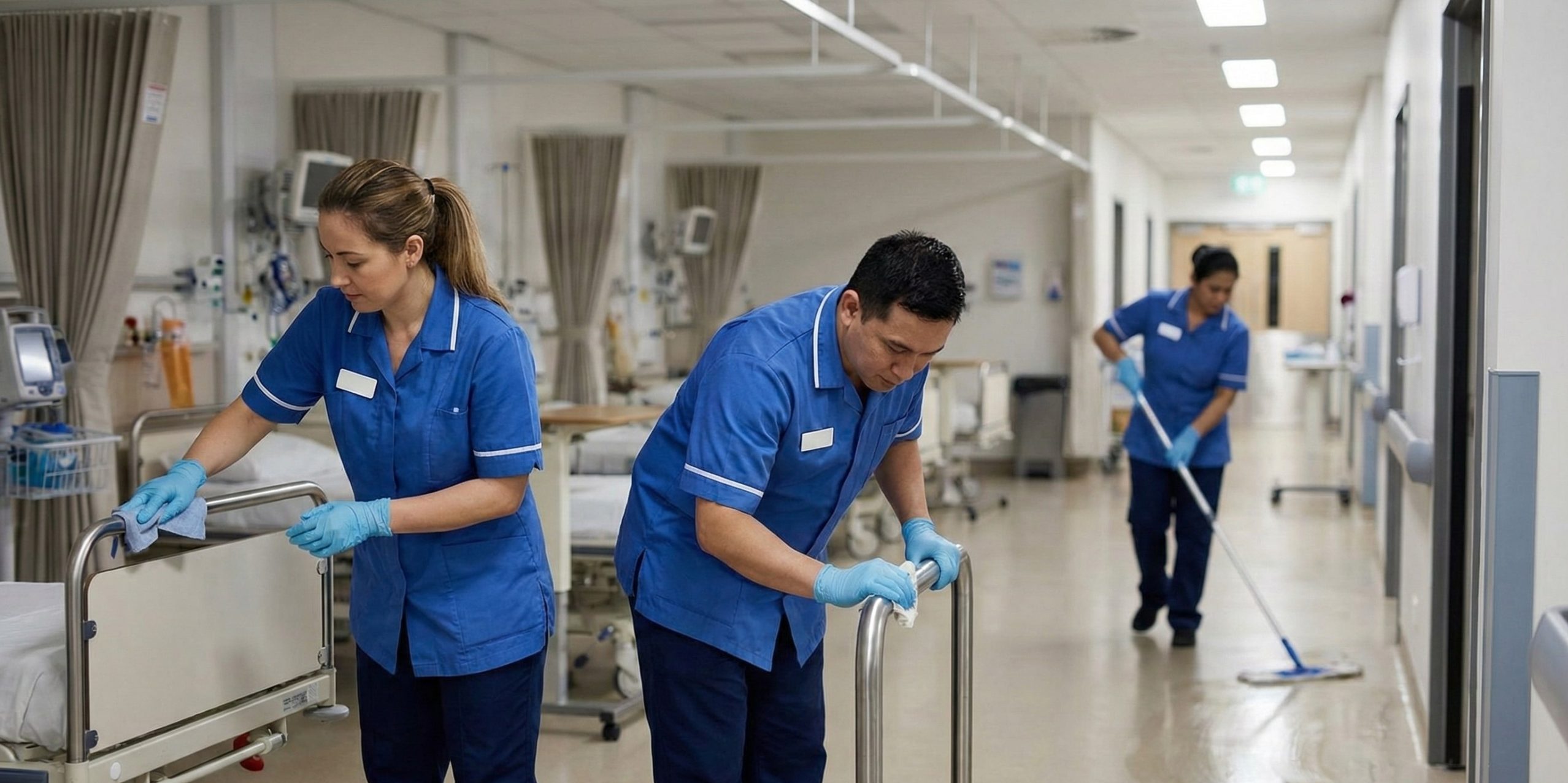
Medical institution cleaning plays a vital role in patient safety, primarily by preventing healthcare-associated infections (HAIs). These infections affect many patients and maintaining strict cleaning protocols is crucial for minimizing these risks. Unlike standard janitorial work, medical cleaning includes detailed sanitization of patient rooms, operating theaters, and waiting areas using hospital-grade disinfectants. Compliance with health standards set by organizations like the CDC ensures that both patients and staff are protected. Advanced technologies like electrostatic sprayers improve disinfection efficiency, while evidence-based practices highlight the link between cleanliness and reduced infection rates. Ultimately, investing in professional cleaning services not only enhances patient experiences but also promotes a healthier environment for everyone involved.
Table of Contents
- Critical Role in Infection Prevention
- Specialized Cleaning Protocols
- Compliance with Health Standards
- Advanced Cleaning Technologies
- Impact on Patient Experience and Staff Morale
- Role of Environmental Services
- Research and Evidence-Based Practices
- Cost-Effectiveness of Professional Cleaning
- Comprehensive Cleaning Services in Kansas City
- Contact Ahlers Building and Cleaning Services
- Frequently Asked Questions
Critical Role in Infection Prevention
Medical cleaning plays a key role in preventing healthcare-associated infections (HAIs), which affect one in 31 patients in healthcare settings. Effective cleaning practices can significantly reduce the presence of harmful pathogens in hospitals, thus lowering the risk of infection transmission. Routine audits of cleaning protocols are essential as they help identify areas needing improvement, ensuring that infection control measures remain effective. Cleaning staff must receive regular training on the latest infection prevention techniques to maintain high cleaning standards. For instance, the use of color-coded cleaning supplies helps prevent cross-contamination, a critical aspect in busy environments like hospitals. High-risk areas, such as emergency rooms, require more frequent cleaning to minimize infection risks. When cleaning protocols are consistently applied across all departments, patient safety is enhanced. Collaboration between cleaning staff and healthcare professionals leads to more effective infection prevention strategies, making it clear that a clean environment is vital for patient safety and recovery.
| Aspect | Details |
|---|---|
| Healthcare-associated infections (HAIs) | Affect 1 in 31 patients in healthcare settings and can significantly impact recovery. |
| Effective cleaning practices | Reduce the presence of pathogens, lowering the risk of transmission. |
| Routine audits | Identify areas for improvement in infection control measures. |
| Training of cleaning staff | Essential for maintaining high standards in infection prevention. |
| Color-coded cleaning supplies | Help prevent cross-contamination in hospitals. |
| Hand hygiene | Closely linked to cleaning practices, important in infection control. |
| High-risk area cleaning frequency | Emergency rooms require more frequent cleaning to minimize risks. |
| Consistency in protocols | Enhances patient safety across all departments. |
| Collaboration | Between cleaning staff and healthcare professionals improves infection prevention. |
| Data on infection rates | Useful for assessing cleaning protocol effectiveness and adjustments. |
Specialized Cleaning Protocols
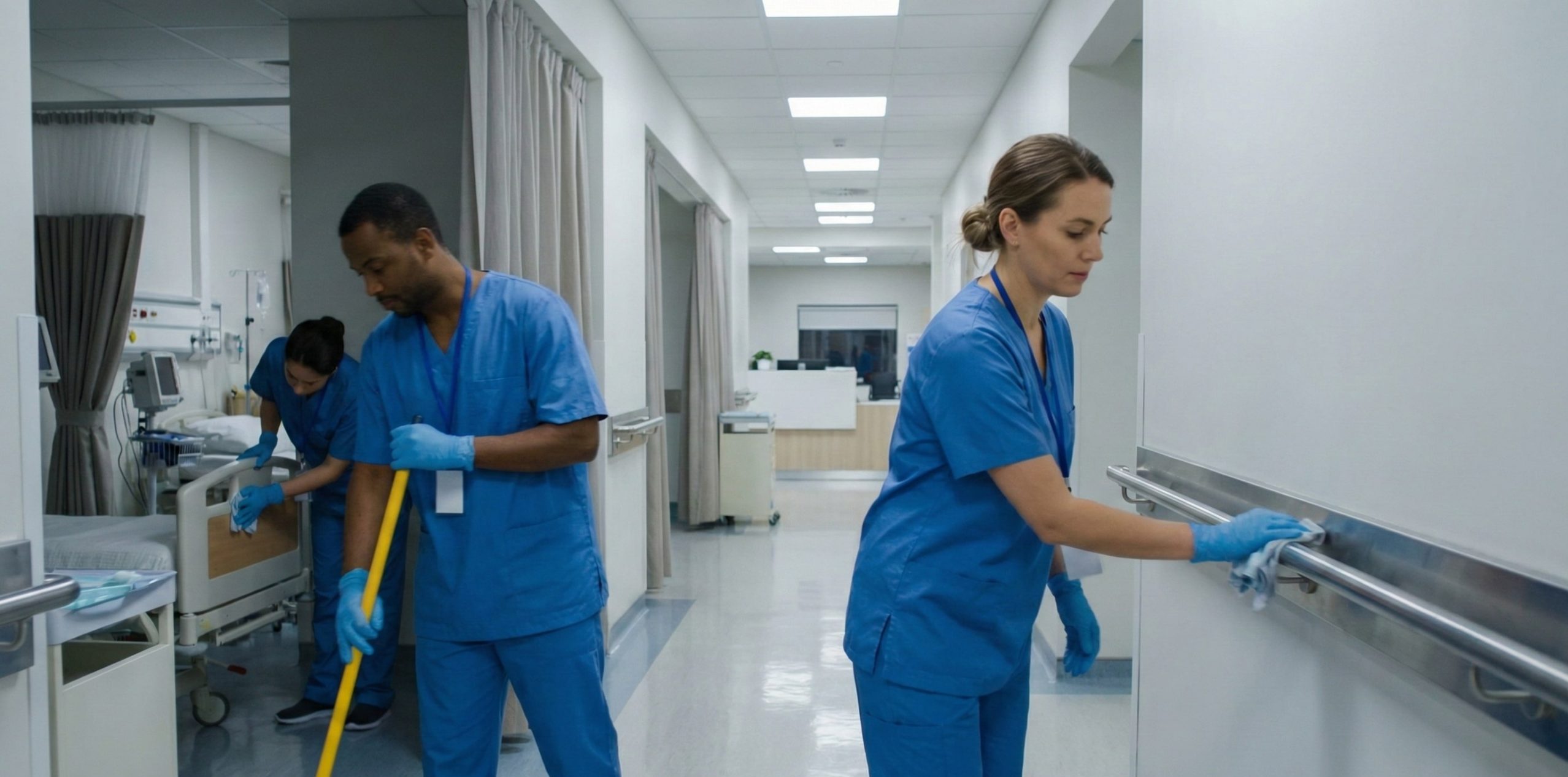
Cleaning protocols in medical settings must be customized for specific areas, such as operating rooms and isolation units, to tackle their unique challenges. For instance, operating rooms require stringent disinfection due to the high risk of infections during surgeries. Specialized equipment, like UV-C light devices, can enhance disinfection efforts in these critical areas, helping to eliminate pathogens that traditional cleaning might miss. It’s essential that cleaning staff receive training in specialized techniques to effectively manage various surfaces and materials found in healthcare environments, from stainless steel to fabric upholstery.
Moreover, protocols should include clear guidelines for safely handling biohazardous waste, ensuring compliance with health regulations. Routine evaluations, including microbial testing, are vital to assess the effectiveness of cleaning processes and adherence to established protocols. Scheduled deep cleaning should complement daily cleaning routines, particularly in areas with high patient traffic, as this is crucial for infection control.
Flexibility in cleaning schedules is also important; they should adapt to peak hours and special circumstances, such as disease outbreaks. Staff must be well-trained in the use and application of hospital-grade disinfectants to ensure every surface is treated appropriately. Regular updates to cleaning protocols based on the latest research are necessary to keep practices effective and relevant, ultimately enhancing patient safety.
- Cleaning protocols should be tailored to specific areas, such as operating rooms and isolation units, to address unique challenges.
- Specialized equipment, like UV-C light devices, can be used for additional disinfection in critical areas.
- Training in specialized cleaning techniques helps staff effectively manage various surfaces and materials in healthcare settings.
- Protocols should include clear guidelines for dealing with biohazardous waste to ensure safety and compliance.
- Routine evaluations of cleaning effectiveness, including microbial testing, can help assess adherence to protocols.
- Scheduled deep cleaning should complement daily cleaning to maintain a high standard of hygiene.
- Staff should be trained in the proper use and application of hospital-grade disinfectants.
- The importance of thorough cleaning in areas with high patient traffic cannot be overstated for infection control.
Compliance with Health Standards
Healthcare facilities must regularly examine their compliance with guidelines from regulatory bodies to ensure safety. Agencies like the CDC, OSHA, and EPA set strict regulations that cleaning processes must adhere to, protecting both patients and staff. Documentation of cleaning procedures is essential, as it provides proof of adherence to these standards during audits and inspections. Training programs should focus on the latest health standards and regulatory changes, ensuring that all staff are well-informed about best practices.
Regular self-assessments enable facilities to identify compliance gaps and address them proactively, fostering a culture of safety. Collaborating with regulatory bodies can provide ongoing education and updates, further enhancing cleaning protocols. Oversight committees play a crucial role in monitoring compliance, guiding the implementation of standards. Gathering feedback from staff regarding compliance challenges can lead to improved practices, creating a more effective cleaning environment.
Moreover, technology can assist in tracking compliance and streamlining documentation processes, making it easier for facilities to maintain high standards. Engaging in continuous quality improvement initiatives ensures that compliance levels remain elevated, enhancing the institution’s reputation and trust within the community.
Advanced Cleaning Technologies
Advanced cleaning technologies are transforming how healthcare facilities maintain cleanliness and safety. For instance, electrostatic sprayers can significantly cut down cleaning time while ensuring that disinfectants evenly coat all surfaces, including those hard-to-reach areas. This technology not only enhances the thoroughness of cleaning but also boosts efficiency, allowing staff to focus on other critical tasks. Additionally, innovations like robotic cleaners are becoming common in large healthcare settings, where they can navigate and clean vast areas autonomously. This further enhances operational efficiency and allows for a more consistent cleaning routine.
The integration of Internet of Things (IoT) devices is another game-changer. These devices can provide real-time feedback on cleaning effectiveness, helping staff identify areas that need more attention and streamlining cleaning schedules based on actual need rather than a fixed timetable. This proactive approach minimizes the risk of contamination and enhances overall patient safety.
Moreover, the use of antimicrobial coatings on frequently touched surfaces adds an extra layer of protection against pathogens. These coatings can inhibit the growth of germs, providing continuous disinfection even between regular cleaning sessions. However, to fully harness the potential of these advanced technologies, ongoing training for staff is crucial. Proper training ensures that everyone is adept at using new tools and understands their importance in infection control.
Regular assessment of new cleaning technologies is vital for staying ahead in infection prevention. By collaborating with cleaning technology providers, healthcare facilities can develop customized solutions that address their unique needs. Data analytics can play a significant role here, as it helps identify trends in cleaning effectiveness and guides resource allocation. Lastly, adopting sustainable cleaning practices aligns with green initiatives in healthcare, benefiting both patients and the environment.
Impact on Patient Experience and Staff Morale
A clean healthcare environment is more than just a necessity; it shapes the entire patient experience. When patients walk into a facility that is visibly clean and well-maintained, it creates a positive first impression. This first impression can significantly influence their overall satisfaction with the care they receive. Studies have shown that patients report higher satisfaction when they perceive their surroundings as clean, which directly correlates with their trust in the facility and its staff.
For healthcare staff, the cleanliness of their work environment plays a crucial role in their morale and job satisfaction. A tidy, well-organized space can reduce stress levels, allowing staff to focus more on patient care rather than being distracted by an unkempt environment. This boost in morale can lead to better teamwork, fostering a culture of pride among staff members. When cleaning efforts are recognized and appreciated, it further motivates the cleaning staff, leading to a consistent standard of cleanliness that benefits everyone.
Moreover, a clean environment encourages open communication. Patients feel more comfortable voicing their concerns about cleanliness, which can lead to improved dialogue with staff. This feedback loop is essential for continuous improvement in patient care. Facilities that actively seek and respond to feedback on cleanliness can better understand both patient and staff perceptions, enabling them to make informed decisions that enhance the overall experience. In essence, the impact of cleanliness extends far beyond infection control; it is a cornerstone of patient safety and satisfaction.
Role of Environmental Services
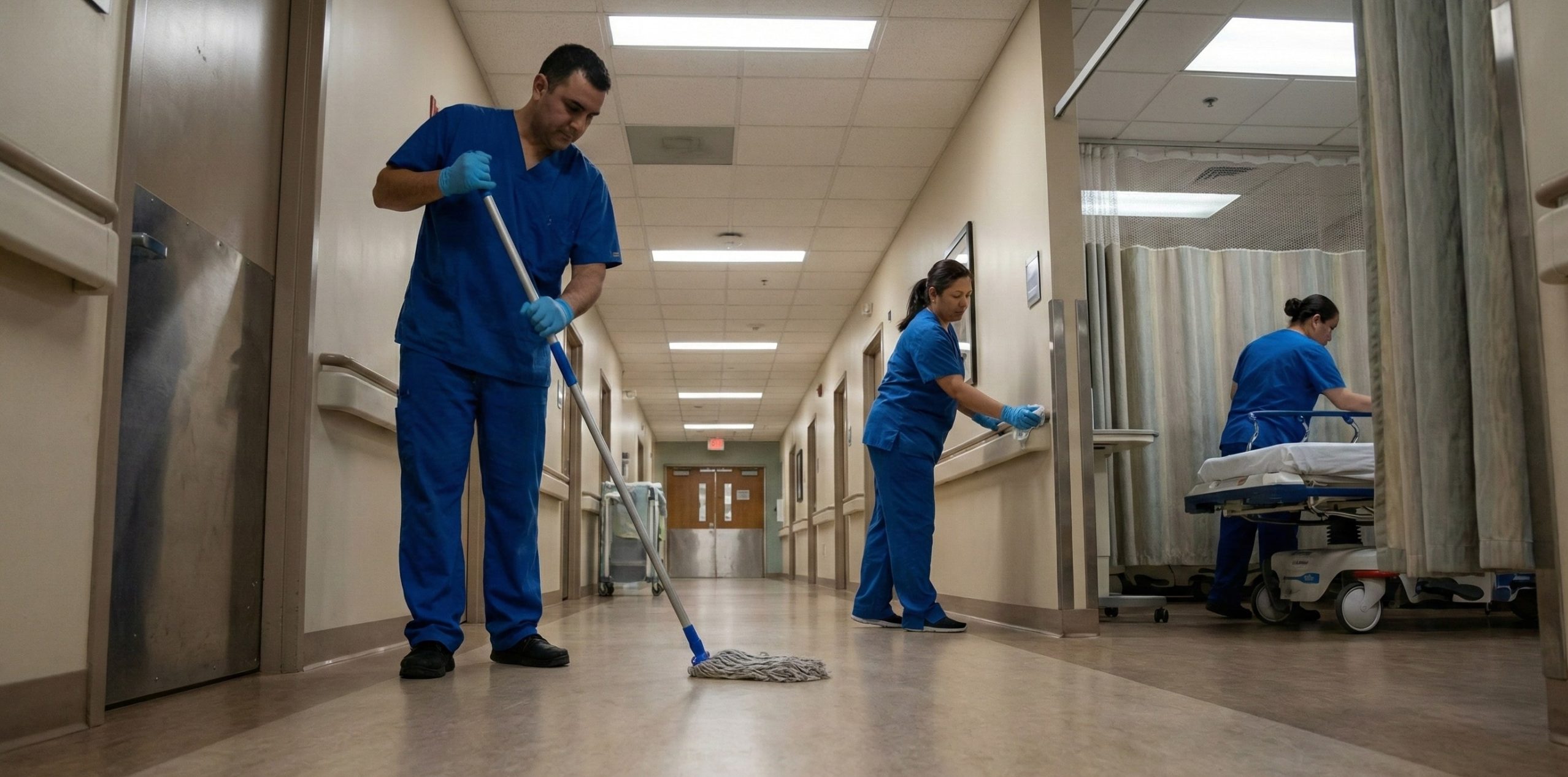
Environmental services staff are the backbone of cleanliness in healthcare facilities, ensuring that every corner is sanitized and safe for patients. Adequate staffing levels are crucial, as they allow cleaning protocols to be followed consistently in all areas, from patient rooms to waiting areas. Training programs play a vital role too, equipping environmental services staff with the skills to handle the unique challenges of healthcare cleaning. Collaboration between environmental and clinical staff is essential for developing effective cleaning strategies, ensuring that the needs of both patients and healthcare providers are met.
Furthermore, recognition programs can elevate the visibility and appreciation of environmental services roles, fostering a sense of pride and motivation among staff. Regular communication between departments is equally important, as it facilitates the sharing of concerns and the improvement of cleaning practices. Support for ongoing education helps environmental staff stay informed about the latest cleaning techniques and regulations, allowing them to adapt to ever-evolving healthcare standards.
Environmental services have a significant voice in infection prevention committees, offering valuable insights on cleaning practices that can mitigate the risk of infections. By integrating environmental services into patient safety initiatives, healthcare facilities can enhance overall care quality. Establishing performance metrics for environmental services drives continuous improvement, making the cleaning processes more effective and responsive to the needs of patients and staff alike.
Research and Evidence-Based Practices
Staying updated on the latest research is crucial for informing cleaning practices in healthcare, ultimately improving patient safety outcomes. Collaboration with academic institutions can drive research initiatives that focus on cleaning efficacy, leading to data-driven decision-making that enhances infection prevention efforts. Engaging in research allows facilities to identify best practices and benchmark against peers, ensuring that they are not only compliant but also effective in their cleaning protocols.
Publishing findings on cleaning protocols contributes to the broader field of healthcare hygiene, as it shares valuable insights that others can implement. Evidence-based practices should be prioritized in training programs for cleaning staff, ensuring they are well-versed in the latest standards and techniques. Regularly reviewing literature on cleaning technologies can guide investments in new equipment, which is vital for maintaining a high standard of hygiene.
Conducting in-house studies allows facilities to assess the effectiveness of their current cleaning practices and identify areas for improvement. Feedback from frontline staff can shape research priorities, addressing practical challenges and enhancing overall cleaning strategies. Lastly, collaborating with infection control teams strengthens the evidence base for cleaning protocols, ensuring that cleanliness is maintained as a key component of patient safety.
Cost-Effectiveness of Professional Cleaning
Investing in professional cleaning services is a strategic move that can lead to significant long-term savings for healthcare facilities. By reducing healthcare-associated infections (HAIs), hospitals can avoid the hefty costs associated with extended patient stays and potential legal issues. Understanding the return on investment (ROI) for cleaning services helps justify these expenditures, showing that cleanliness is not just an expense but a crucial part of patient care and safety. Regular financial reviews can uncover opportunities to cut costs in cleaning operations, ensuring that resources are allocated efficiently. Moreover, evidence suggests that improved cleaning standards lead to better patient outcomes, ultimately demonstrating the financial value of maintaining a clean environment. Engaging with reputable cleaning service providers may also result in competitive pricing and enhanced service quality. Tracking the relationship between cleaning practices and patient readmission rates can further emphasize the financial benefits of investing in thorough cleaning protocols. Collaboration between finance teams and environmental services can optimize budget planning, while long-term contracts with cleaning companies offer stability in costs. Additionally, exploring funding for advanced cleaning technologies can enhance cost-effectiveness, making it easier for facilities to maintain high standards without overspending.
Comprehensive Cleaning Services in Kansas City
local cleaning services in Kansas City provide tailored solutions that cater specifically to the needs of healthcare facilities. By engaging with community-based cleaning services, healthcare institutions can build local partnerships that enhance the quality of service. These local providers often have a keen understanding of regional compliance requirements, ensuring that healthcare facilities adhere to relevant standards. Moreover, utilizing local services supports the local economy and allows for quicker response times when urgent cleaning needs arise. Flexible service agreements can be designed to address the unique requirements of different healthcare settings, ensuring that all areas, from patient rooms to operating theaters, receive appropriate attention.
In addition, local cleaning professionals frequently network with one another, keeping abreast of industry trends and best practices. This collaborative approach can lead to innovative cleaning solutions tailored to specific facility needs. Competitive pricing is another advantage of choosing local providers, as reduced transportation costs can lower expenses. Furthermore, involving local cleaning services in community health initiatives fosters a sense of shared responsibility for patient safety and wellbeing. Feedback loops between healthcare providers and cleaning services can also drive improvements in service quality, ultimately benefiting patient care.
Contact Ahlers Building and Cleaning Services
Ahlers Building Cleaning Services specializes in providing tailored cleaning solutions specifically designed for healthcare settings. Their expertise in infection prevention cleaning protocols makes them a valuable partner for any healthcare facility looking to enhance patient safety. By contacting Ahlers, healthcare institutions can gain insights into customized cleaning programs that meet their specific needs, ensuring that every corner of their facility is adequately addressed.
The experienced staff at Ahlers not only deliver top-notch cleaning but also offer training and support to help facilities comply with health standards. They focus on using advanced cleaning technologies, such as electrostatic sprayers, which enhance cleaning effectiveness and efficiency. This proactive approach can help create safer environments for both patients and staff, fostering partnerships that prioritize health and safety.
Furthermore, Ahlers is committed to sustainability, aligning their practices with modern healthcare initiatives aimed at reducing environmental impact. They provide case studies and testimonials showcasing their success in healthcare cleaning, demonstrating their ability to adapt to various challenges. A consultation with Ahlers can help identify areas for improvement in current cleaning practices, while regular communication ensures ongoing support tailored to the ever-changing needs of healthcare environments.
Frequently Asked Questions
Why is cleaning in medical institutions so important for patient safety?
Cleaning helps remove germs and harmful bacteria, reducing the risk of infections and ensuring patients receive safe care.
What specific areas in a medical facility need extra cleaning attention?
High-touch areas like doorknobs, bed rails, and medical equipment require thorough cleaning to prevent the spread of germs.
How often should cleaning be done in hospitals or clinics?
Regular cleaning should happen multiple times a day, especially in patient areas, to keep the environment safe and hygienic.
Can proper cleaning really lower the chances of infection for patients?
Yes, effective cleaning strategies significantly minimize the risk of infections, creating a safer space for recovery.
What cleaning products are most effective in medical institutions?
Healthcare cleaning usually involves EPA-approved disinfectants that can kill germs and viruses, ensuring a clean environment.
Medical cleaning works best inside a complete program. See our commercial janitorial services for ongoing facility care.